← Work · Browser game
Orbricks Toppler
A 3D physics puzzle you play right in the browser: remove the blocks, keep the ball on the platform, and don't let it topple — across a run of escalating worlds.
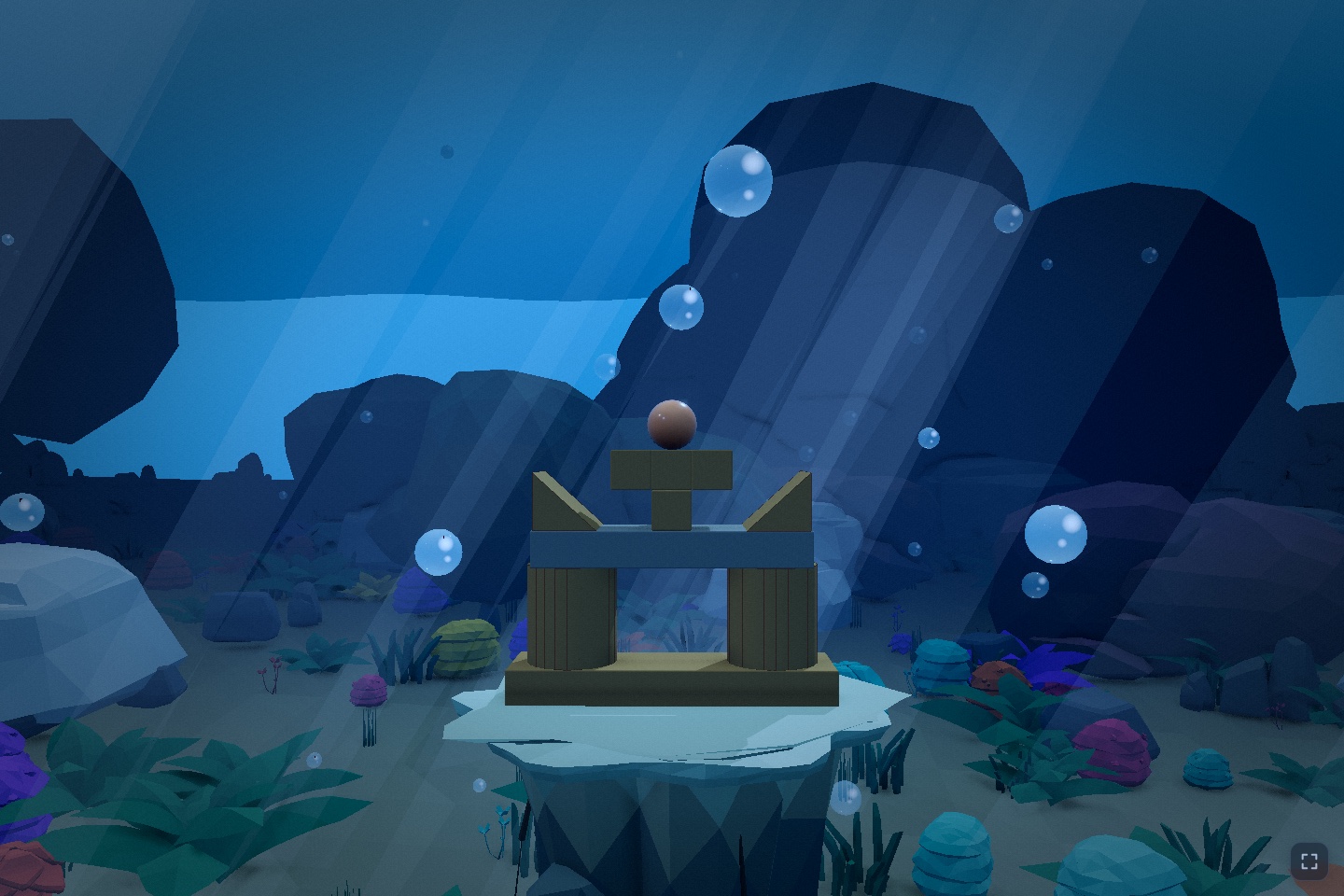
Live world · Coral Depths
Poster view · activate when ready
Explore Coral Depths live using the same painterly world system as the game. Drag to orbit and scroll or use the controls to zoom. Play the full physics game →
World atlas · 12 more environments
Beyond Coral Depths
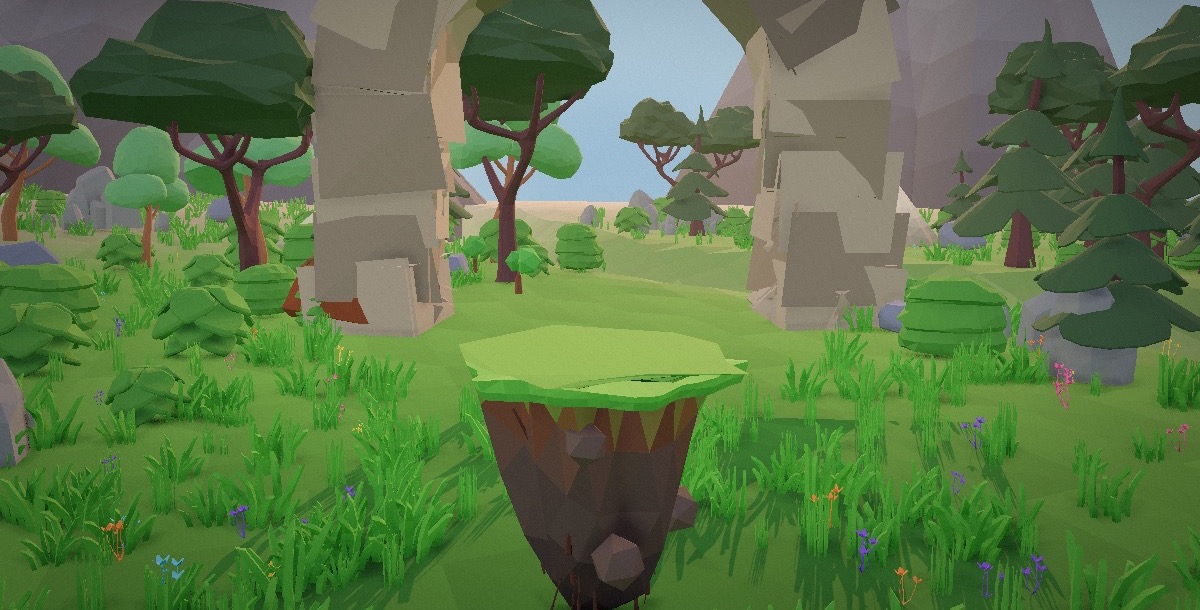
01Dawn Highlands 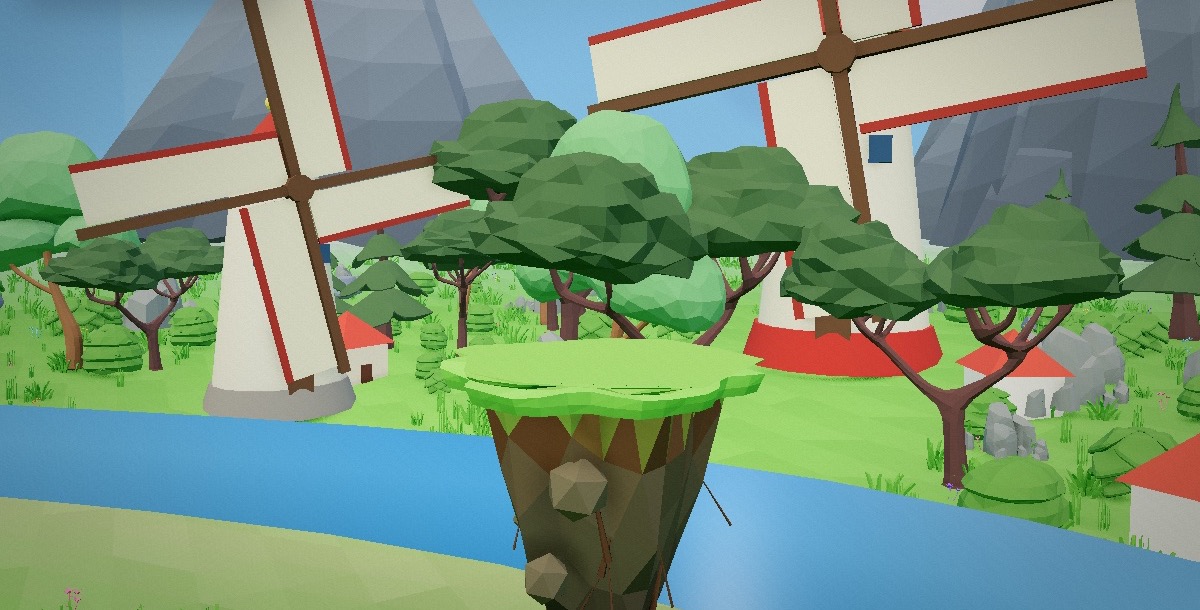
02Azure Meadow 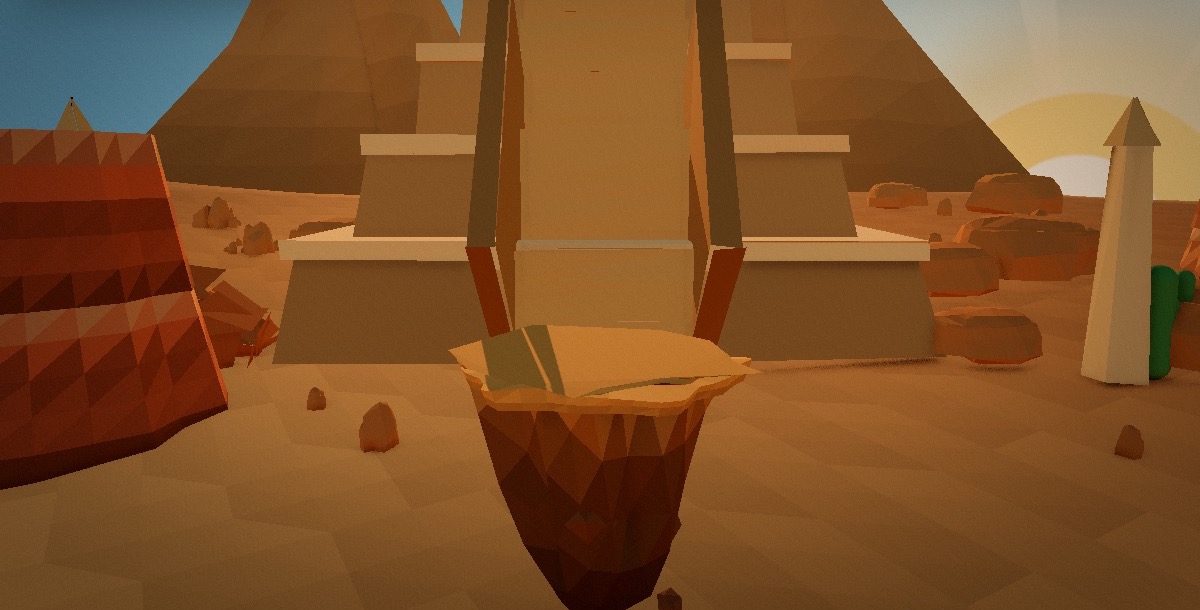
03Desert Mesas 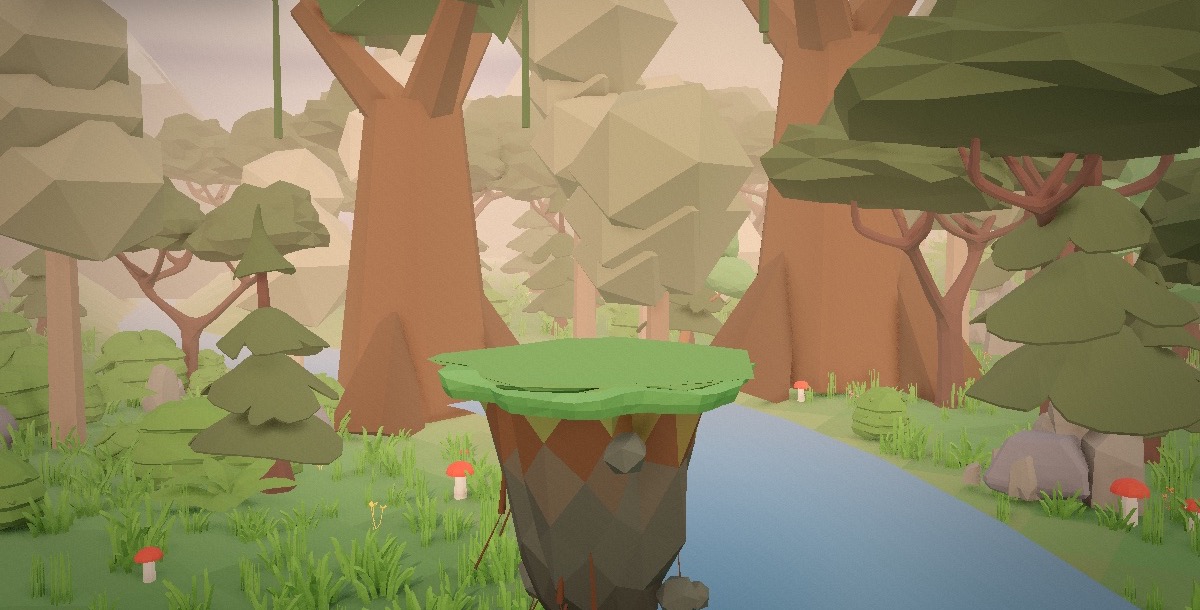
04Misty Morning 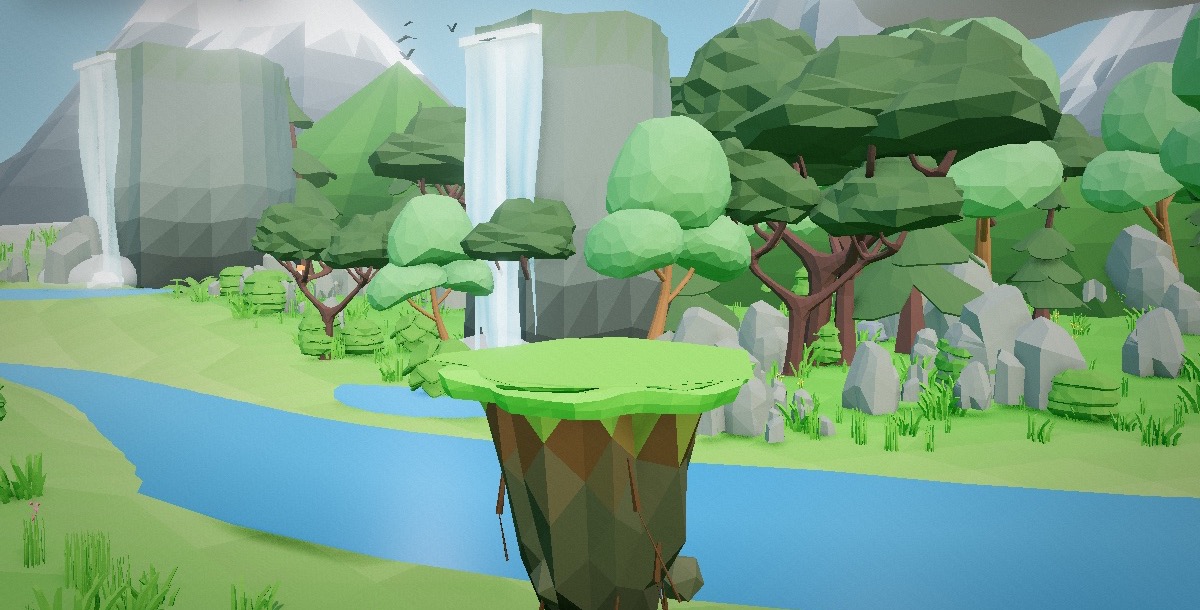
05Verdant Vale 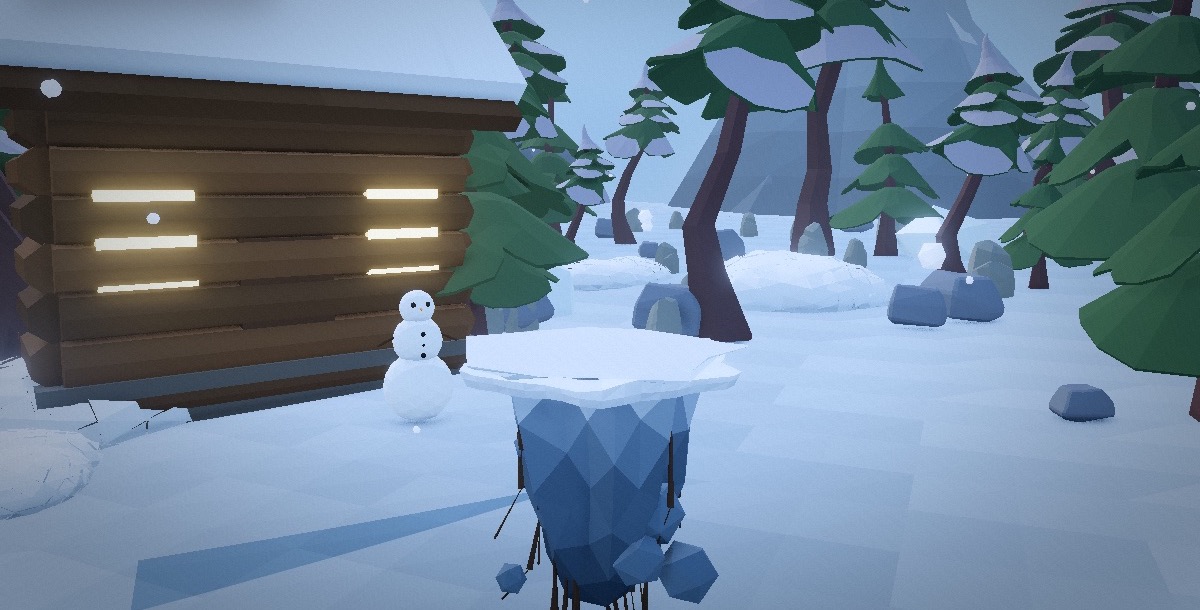
06Frozen Peaks 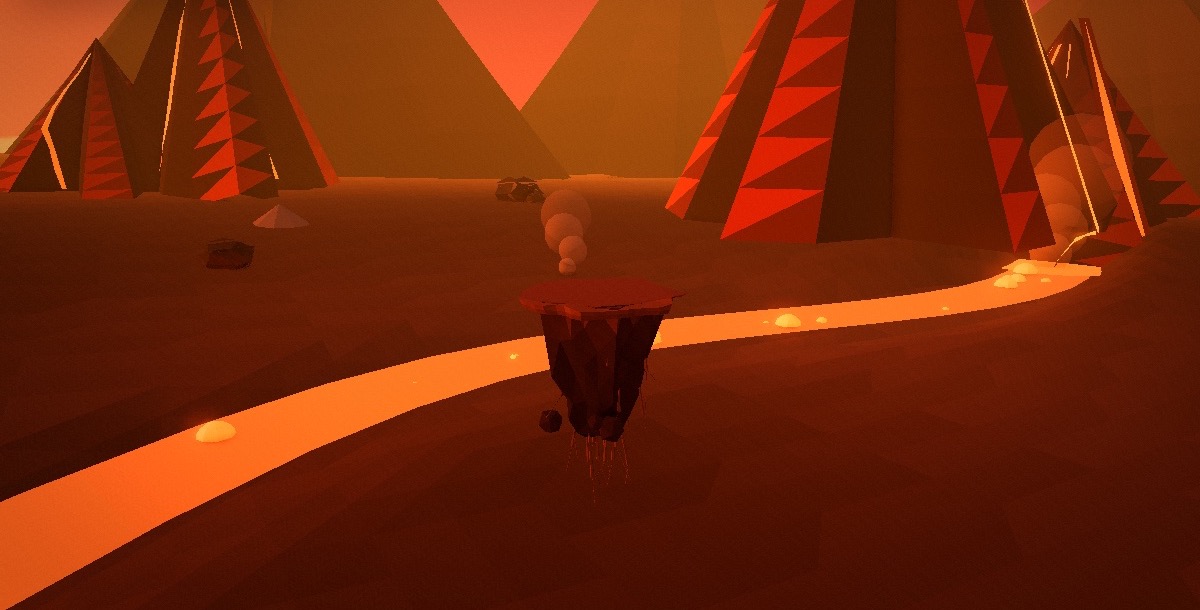
07Ember Sky 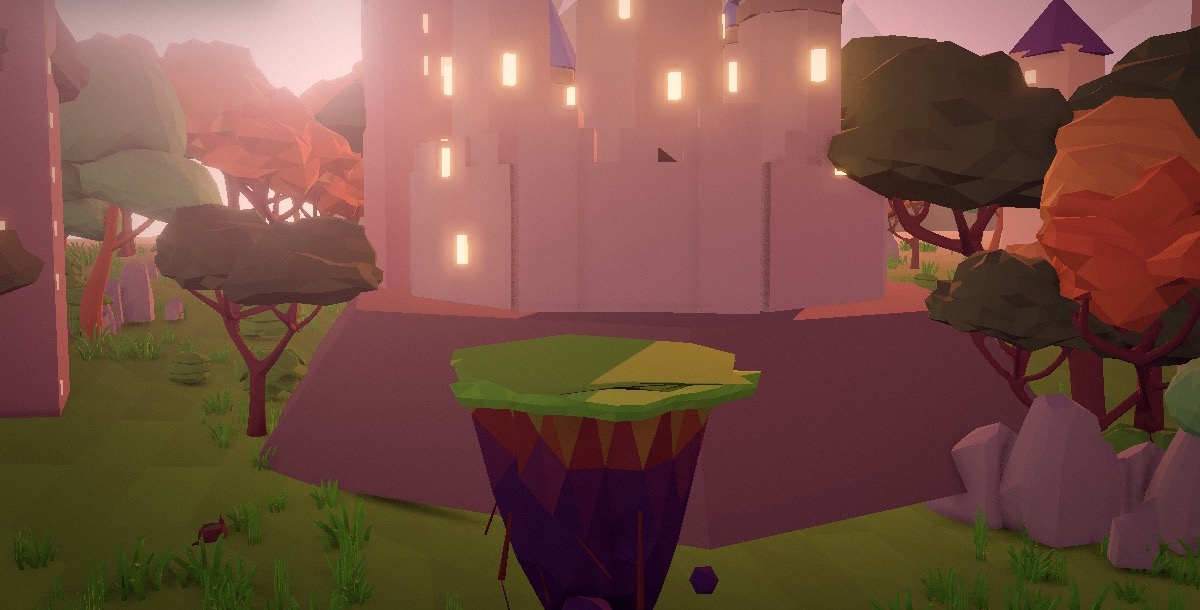
08Sunset Valley 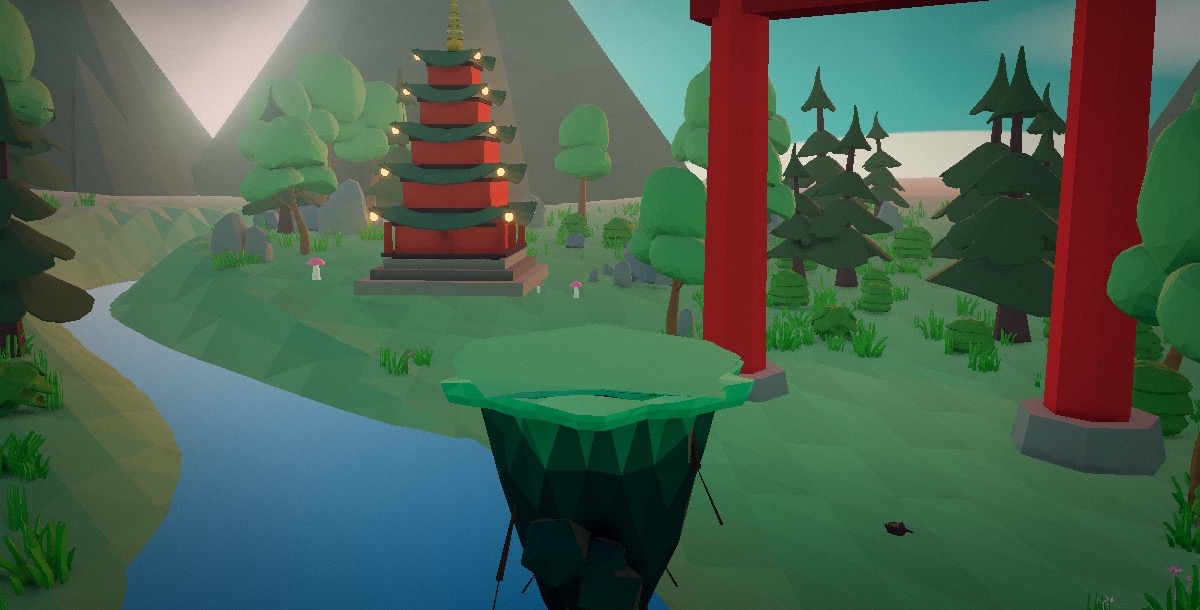
09Jade Twilight 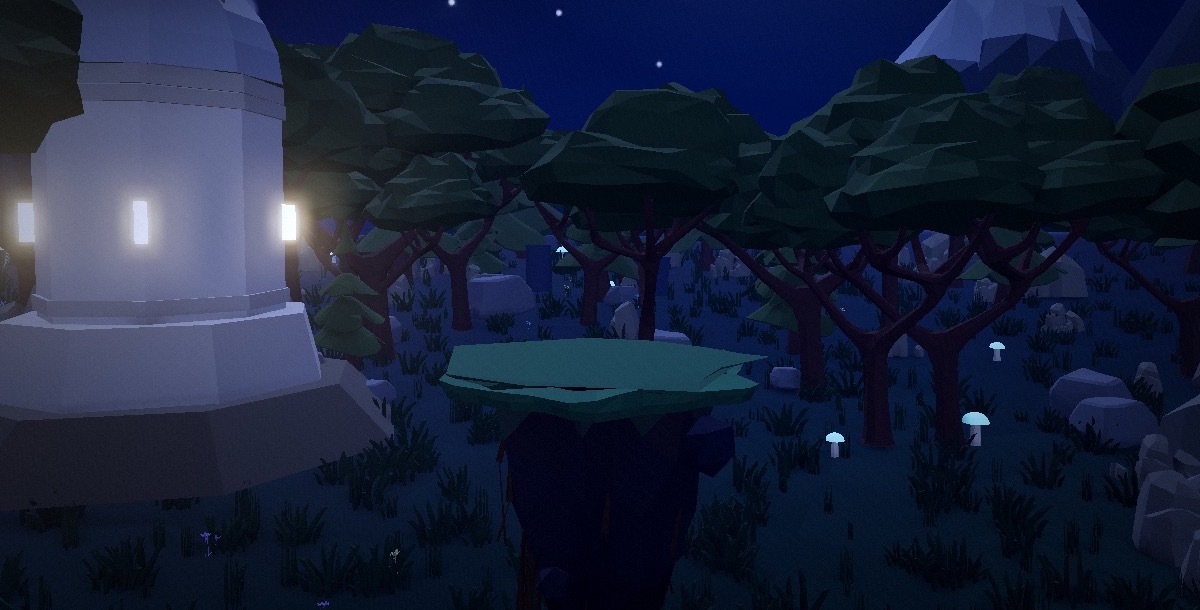
10Starlit Night 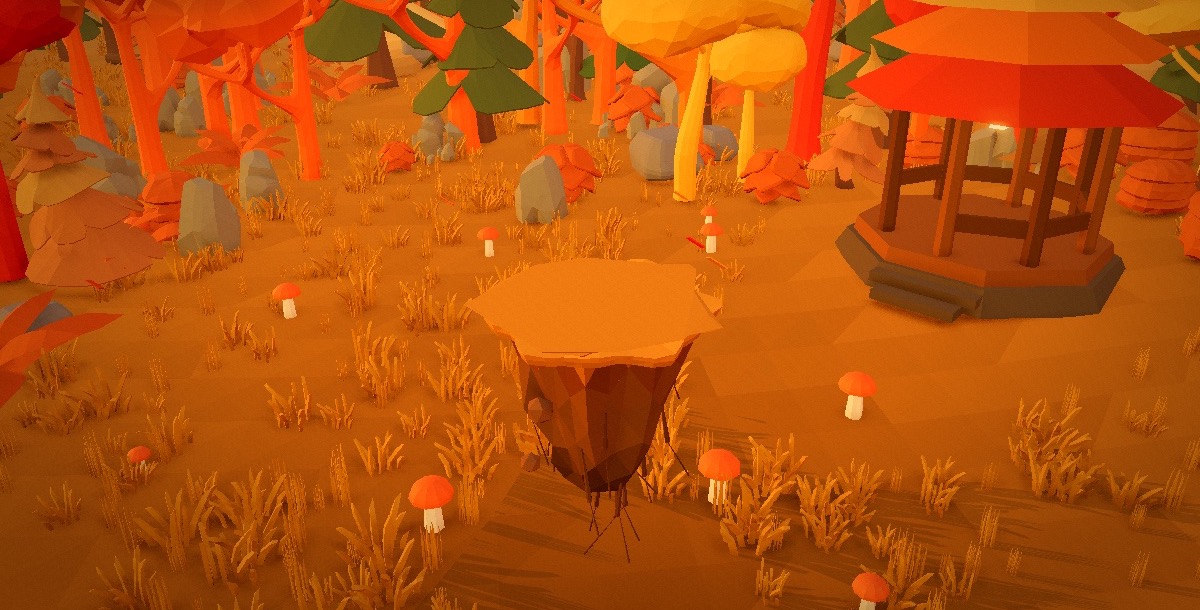
11Autumn Vale 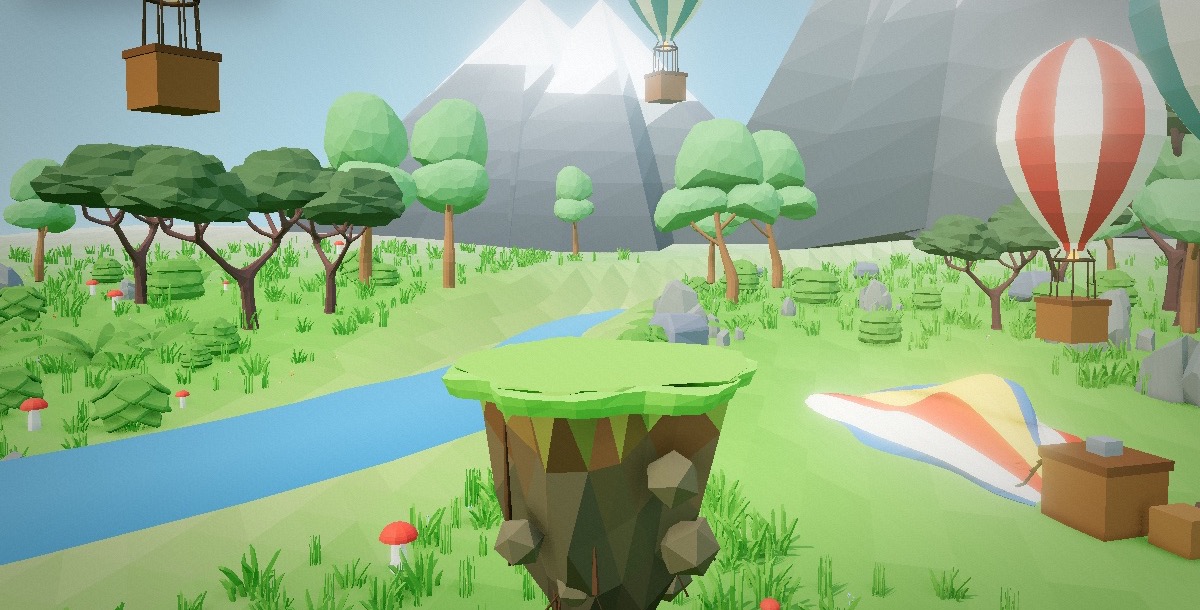
12Emerald Meadow
The premise
One rule you understand in a second: remove blocks, keep the ball balanced. A ball rests on a stack of blocks on a floating platform. Click a block to remove it — but pull the wrong one and the ball rolls off and topples. The fewer clicks you use, the better your score.
That single, legible goal is the whole design bet: easy to grasp, hard to master, and satisfying to watch fail. Streaks and a per-level timer turn "solve it" into "solve it cleanly."
Game & level design
Difficulty comes from the materials, not from hiding the rules. Each block type changes how a stack behaves, so a level is really a little balance problem you read before you touch it:
- Wood — standard block; the baseline you plan around.
- Stone — heavy; shifts the center of mass when it goes.
- Ice — slippery; the ball won't sit still on it.
- Metal — fixed; can't be removed, so it anchors your plan.
- Lava — deadly; clear it before the ball ever touches it.
Worlds escalate by combining these — introducing one new pressure at a time so each level teaches the next.
Physics & implementation
The game runs a real-time rigid-body simulation with Cannon-es driving the physics and Three.js rendering the scene, populated with GLB world models — rocks, plants, and props that make each level feel like a place rather than a test rig.
The engineering challenge is trust: a physics puzzle is only fair if the simulation is stable and readable. Tuning mass, friction, and the "is it settling?" check so a topple feels earned — never like the engine cheated — is where most of the craft went.
Plays anywhere
Desktop uses click-to-remove with drag / arrow keys to orbit and tilt the camera and shift + arrows to zoom. On touch, it's tap-to-remove, drag to look, and pinch to zoom — the same game, mapped to the device in your hands.
- Three.js
- Cannon-es
- WebGL
- GLB / glTF
- Game design
- Level design
Reflection
Orbricks is my proof that "playable in one click" is a feature. Shipping a real 3D physics game to the open web — no launcher, no download — forced hard calls about performance and clarity, and it's the project people most want to try rather than read about. So: go try it.